Sensing Electrical Fields
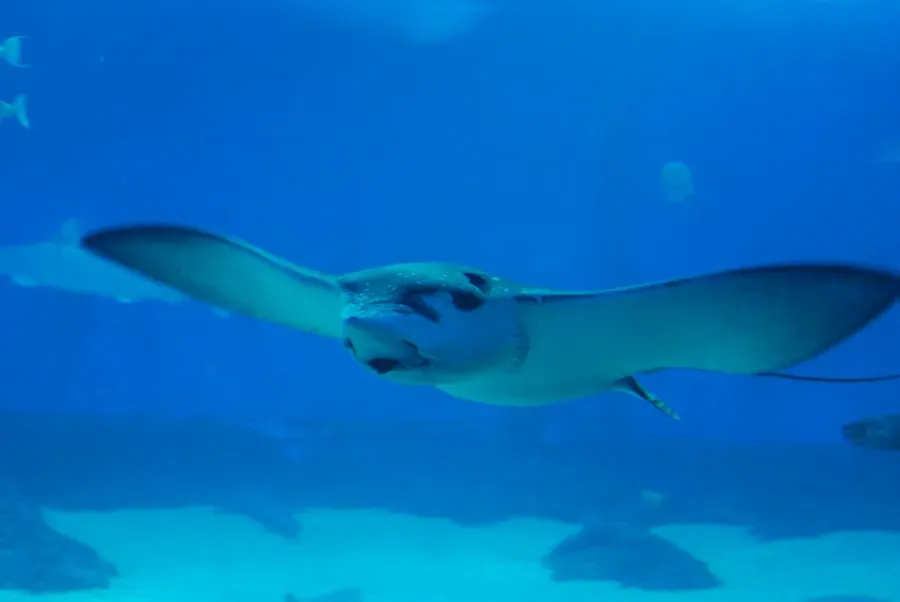
Stingrays have specialized organs called ampullae of Lorenzini, tiny electroreceptors around the snout that detect the faint electrical fields produced by the muscle movements of hidden prey.
Hunting in Murky or Buried Conditions
This electrical sense lets stingrays locate prey buried in sand or hidden in murky water where vision alone would be ineffective, giving them a significant hunting advantage on the seafloor.
Shared with Sharks
Electroreception is also found in sharks, reflecting the close evolutionary relationship between the two groups and highlighting how important this sense is for cartilaginous fish hunting in low-visibility environments.