Home / Amphibians / Salamanders
Amphibians · Caudata
Salamander
Caudata
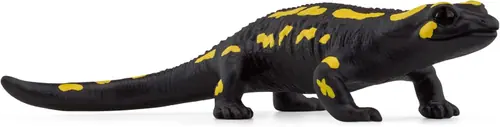
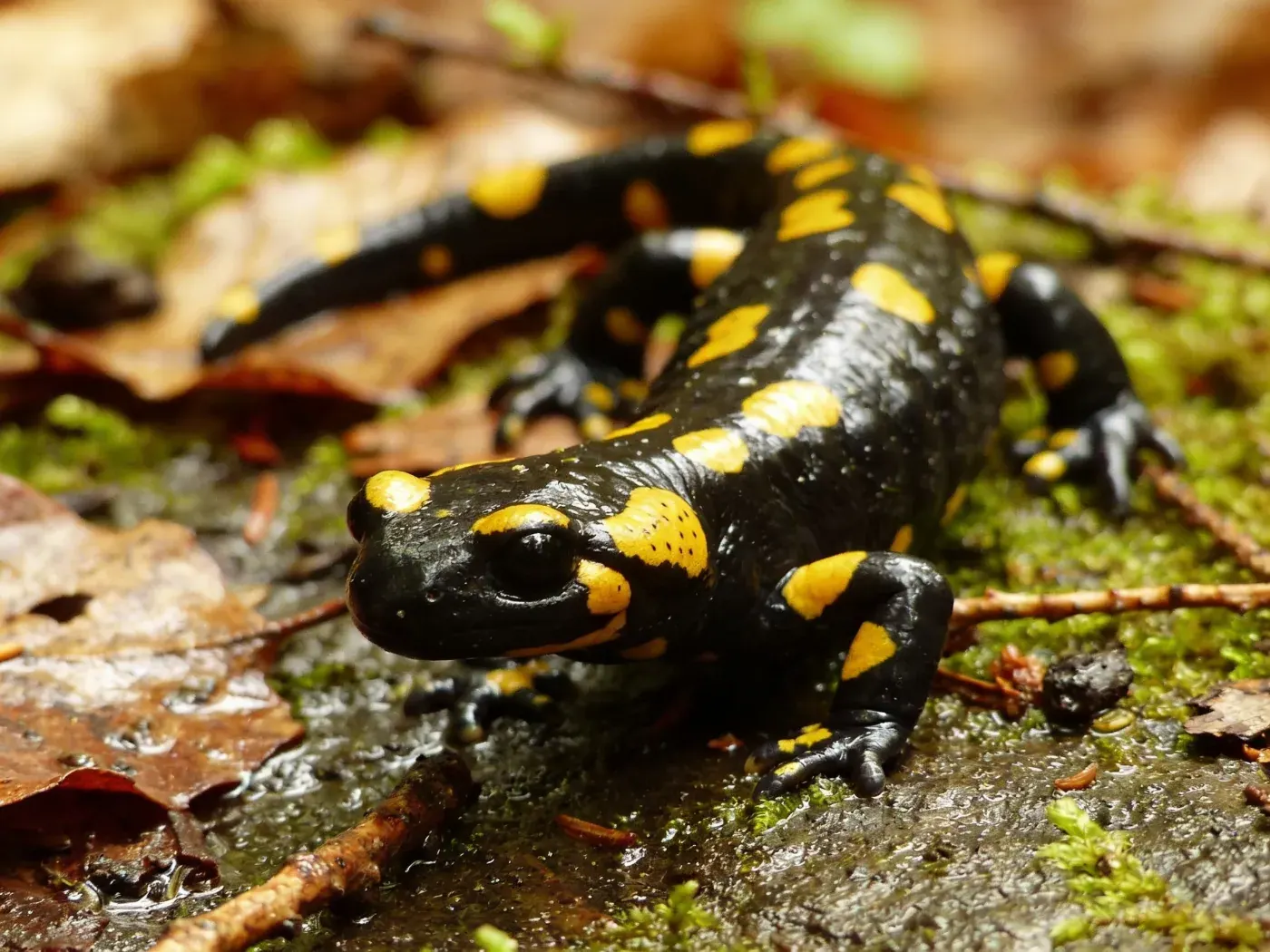
Salamanders are amphibians known for their long tails, moist skin, and remarkable ability to regenerate lost body parts. Found mostly in the Northern Hemisphere, they range from tiny woodland species to the nearly six-foot-long Chinese giant salamander.
Classification
Kingdom: Animalia
Phylum: Chordata
Class: Amphibia
Order: Caudata (Urodela)
Family: Varies by species
Species: About 700 described species
Related species: The axolotl is a neotenic salamander species
Weight
Most are small; Chinese giant salamander up to 140 lbs
Habitat
Moist forests, streams, and burrows, mostly Northern Hemisphere
Description
Long tail retained into adulthood, moist permeable skin
Diet
Carnivorous — insects, worms, and small invertebrates
Regeneration
Can regrow lost limbs, tail, and parts of organs
Skin
Some lungless species breathe entirely through skin
Lifecycle
Most begin life in water with gills, many become terrestrial as adults
Toxins
Many species secrete defensive toxins through their skin
Did You Know?
Salamanders are among the only vertebrates that can fully regenerate lost limbs, tails, and even damaged organs.
Did You Know?
Some salamander species have no lungs at all, breathing entirely through their skin and the lining of their mouth.
Did You Know?
The Chinese giant salamander can grow nearly 6 feet long, making it the largest amphibian on Earth.
Types of Salamanders
Chinese Giant Salamander
Andrias davidianus
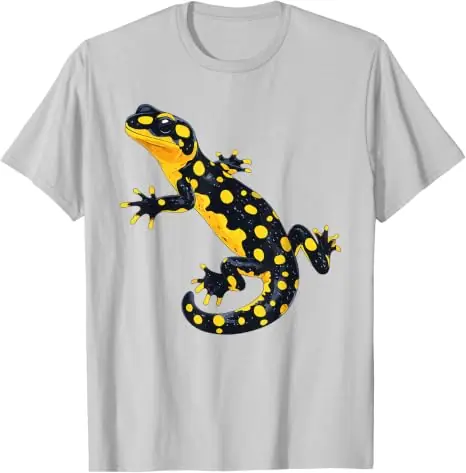
Fire Salamander
Salamandra salamandra
Tiger Salamander
Ambystoma tigrinum
Spotted Salamander
Ambystoma maculatum
Mudpuppy
Necturus maculosus
Salamander in Foreign Languages
Frenchsalamandre
Spanishsalamandra
GermanSalamander
Italiansalamandra
Portuguesesalamandra
Dutchsalamander
Swedishsalamander
Polishsalamandra
Japanesesanshouuo
Mandarinróngyuán
Koreandorongnyong
Russiansalamandra