Classification & Appearance
The sea otter's scientific name is Enhydra lutris. It is the heaviest member of the weasel family, Mustelidae, yet is also among the smallest marine mammals in the world. Its blunt, whiskered face, loose folds of skin, and stocky, streamlined body distinguish it clearly from the more slender freshwater otters it's often confused with.
No Blubber, Just Fur
Unlike most marine mammals, sea otters have no insulating layer of blubber. Instead, they rely entirely on the densest fur of any animal — up to a million hairs per square inch in places — trapping a layer of air against the skin for warmth. Because that fur is their only defense against the cold Pacific water, sea otters spend hours a day grooming, and are especially vulnerable to anything that damages their coat's insulating properties, such as oil spills.
A Life Lived Afloat
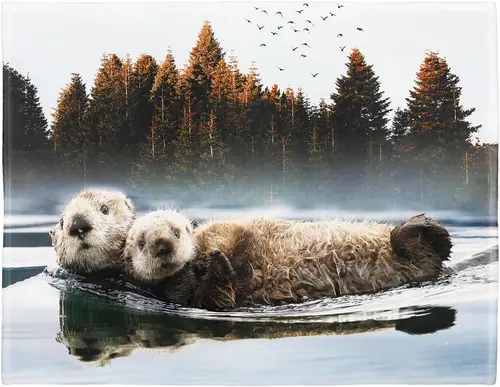
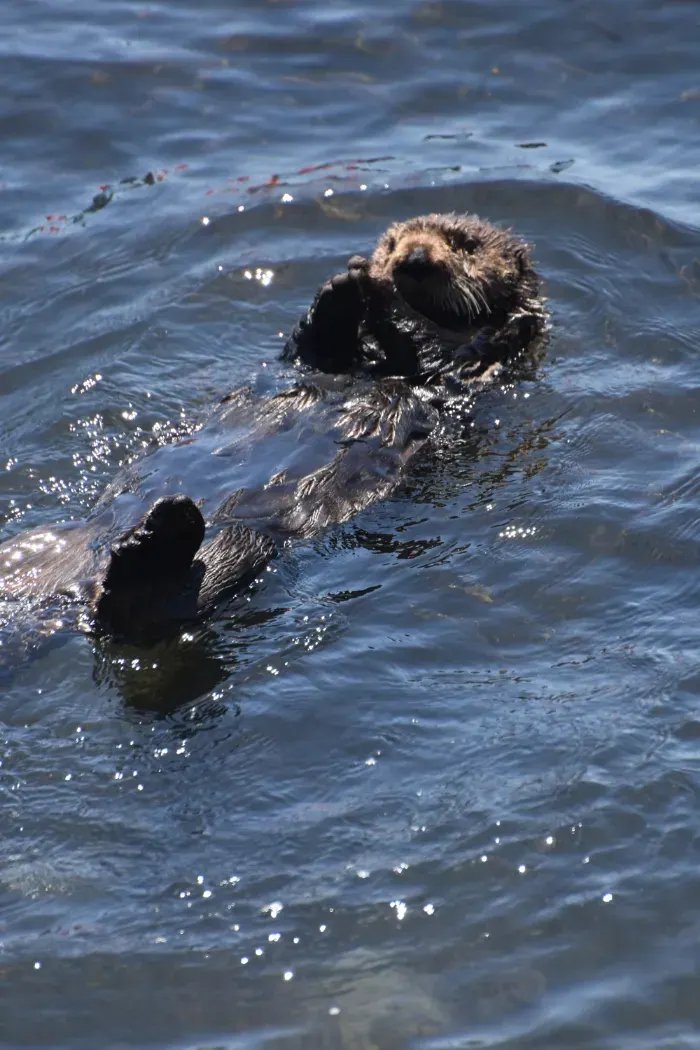
Sea otters do nearly everything on their backs in the water — eating, grooming, sleeping, and even giving birth and nursing pups. Powerful lungs let them hold their breath for several minutes while diving for food, and dense underfur combined with a high metabolism (they eat roughly a quarter of their body weight in food daily) keeps them warm through long stretches in cold coastal water.
A Keystone Species
Sea otters play an outsized role in their coastal ecosystem by keeping sea urchin populations in check. Without otters to eat them, urchins can multiply unchecked and devastate kelp forests, so healthy otter populations are closely tied to the health of the wider kelp ecosystem many other species also depend on.