Different Genera, Different Lifestyles
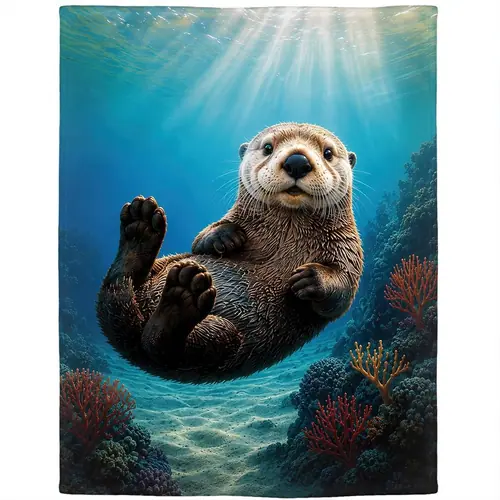
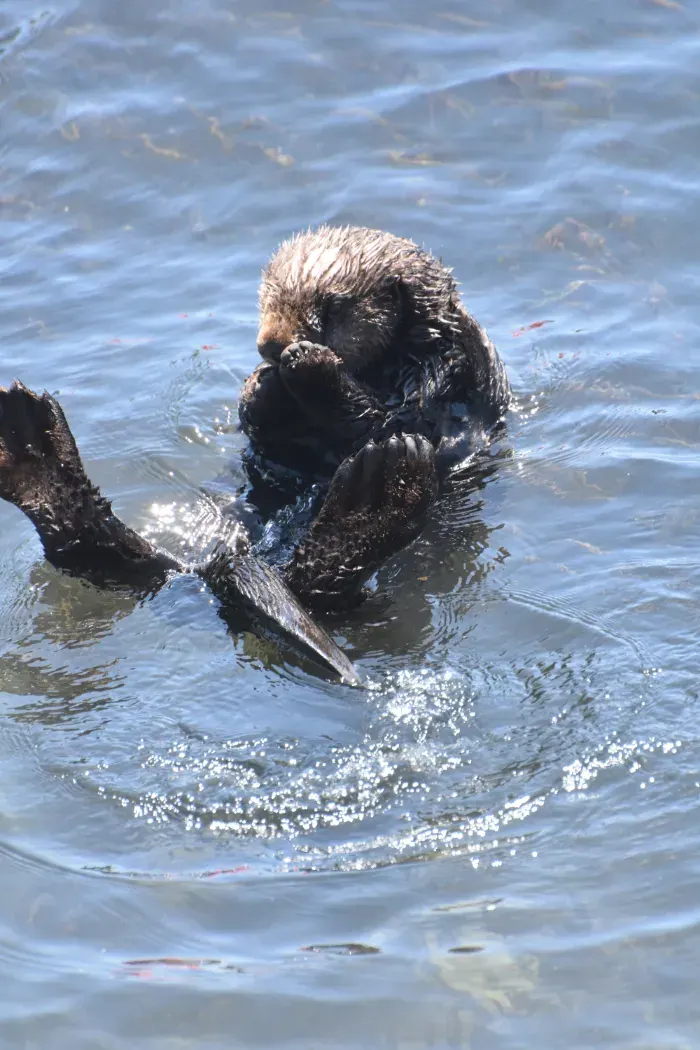
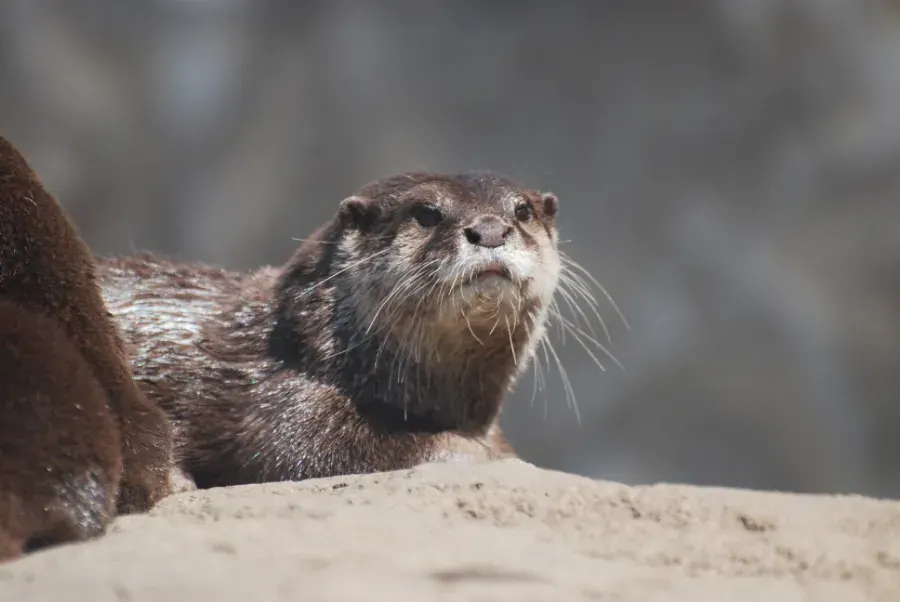
The sea otter (Enhydra lutris) and the North American river otter (Lontra canadensis) both belong to the otter subfamily, Lutrinae, but sit in separate genera and have evolved very different lives. The clearest distinction is habitat and how much time each spends in the water: sea otters are almost entirely marine, rarely leaving the ocean, while river otters move freely between water and land, denning on shore and fishing in rivers, lakes, and coastal estuaries.
Size and Build
Sea otters are considerably larger and heavier, reaching up to 100 pounds, compared to a river otter's typical 10 to 30 pounds. Sea otters also have a stockier, more rounded body suited to floating, while river otters have a longer, more streamlined, weasel-like build adapted for agile swimming and moving comfortably on land.
Fur Instead of Blubber
Both species lack blubber and rely on fur for insulation, but sea otters take this further than any mammal, with the densest coat in the animal kingdom. River otters, spending less continuous time in cold open ocean water, get by with a still-dense but comparatively less extreme coat, supplemented by more time spent resting and drying off on land.
Diet and Feeding Style
Sea otters specialize in hard-shelled invertebrates — sea urchins, clams, crabs, and mussels — often using a rock as a tool to crack the shells while floating on their backs, a behavior almost never seen in river otters. River otters have a broader, more fish-focused diet and hunt more actively by chasing prey through the water rather than foraging along the sea floor. Our Otters page covers the wider otter family, including additional detail on river otters.