A Mixed Picture Across Species
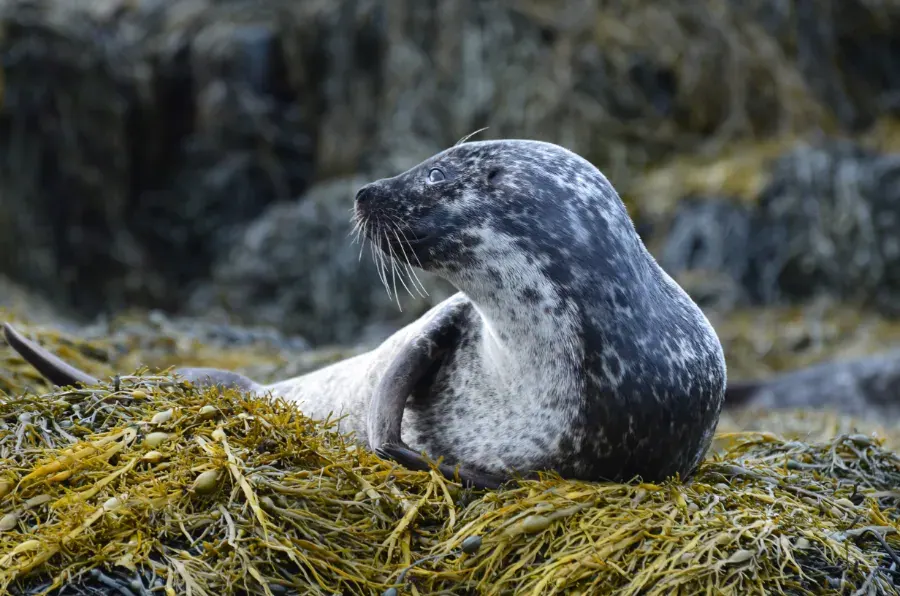
Most seal species, including the harbor seal, are classified as Least Concern, with populations recovering well since 20th-century hunting bans. But several species — including the Mediterranean monk seal and Hawaiian monk seal — remain Endangered or Critically Endangered.
Recovery from Historic Hunting
Commercial sealing for fur, oil and meat drove several populations to the brink in the 19th and 20th centuries. Legal protections beginning in the 1970s, including the U.S. Marine Mammal Protection Act, allowed many populations to rebound substantially.
Entanglement and Bycatch
Discarded fishing gear, packing straps and marine debris remain a persistent threat, entangling seals of all ages. Accidental capture in fishing nets, known as bycatch, is also a leading cause of death for several seal species worldwide.
Warming Waters and Shrinking Ice
Ice-breeding species like the ringed seal depend on stable sea ice to raise pups; shrinking Arctic ice cover linked to climate change is reducing suitable breeding habitat and forcing populations to adapt or decline in affected regions.