A Skeleton Made of Cartilage
Unlike most fish, a shark’s entire skeleton is made of cartilage rather than bone, making it lighter and more flexible — an adaptation that has served the group for hundreds of millions of years.
Skin Like Tiny Teeth
Instead of smooth scales, shark skin is covered in sharp, tooth-like structures called dermal denticles, which reduce drag and add a rough, sandpaper-like texture.
From Tiny to Enormous
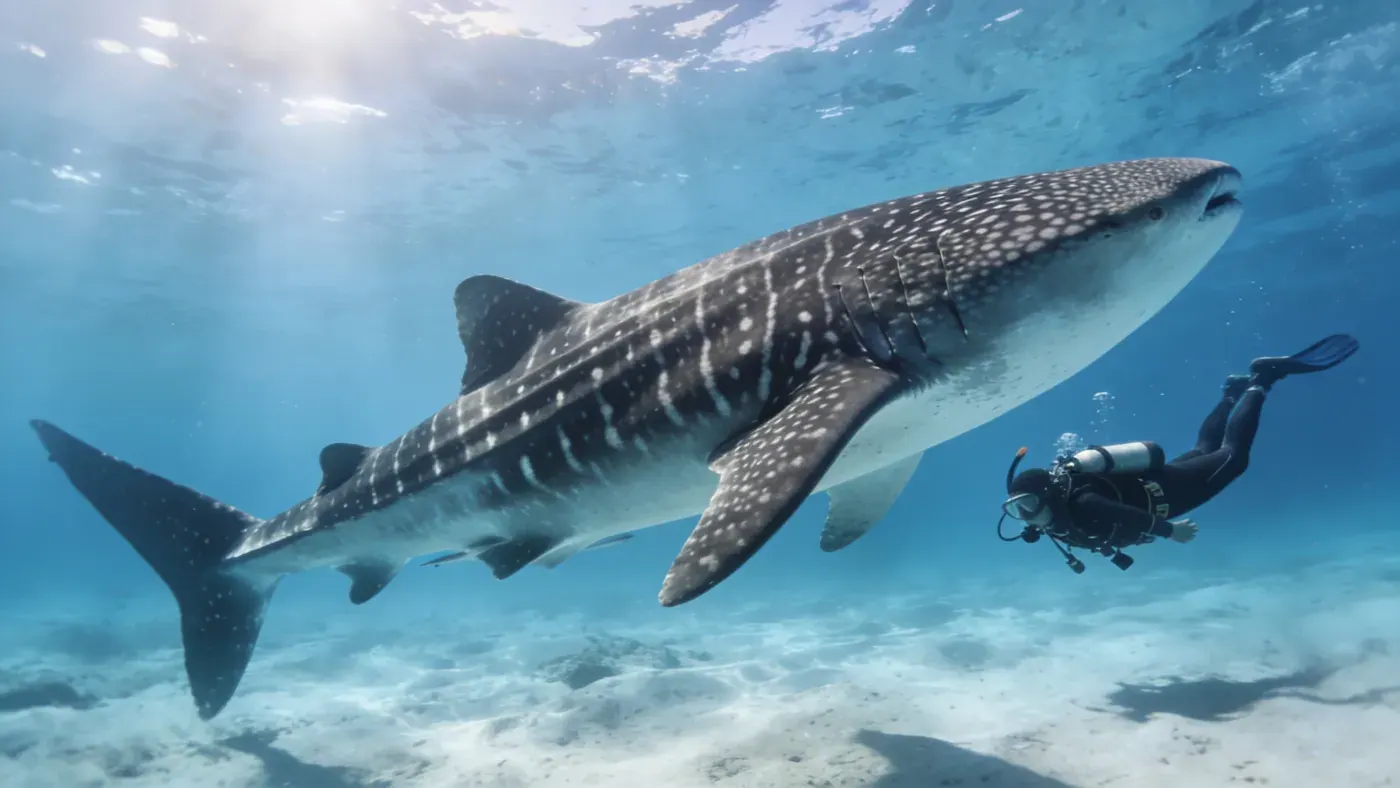
The dwarf shark, the smallest known shark species, measures only about 8 inches long. At the other end of the scale, the whale shark and basking shark — the two largest shark species — survive primarily on plankton rather than hunting larger prey. Thresher sharks, meanwhile, can reach 20 feet in total length, with a tail alone stretching up to 10 feet.
An Ancient Lineage
Sharks date back to the Silurian period, meaning they inhabited Earth for roughly 200 million years before dinosaurs ever appeared.