Thousands of Years of Selective Breeding
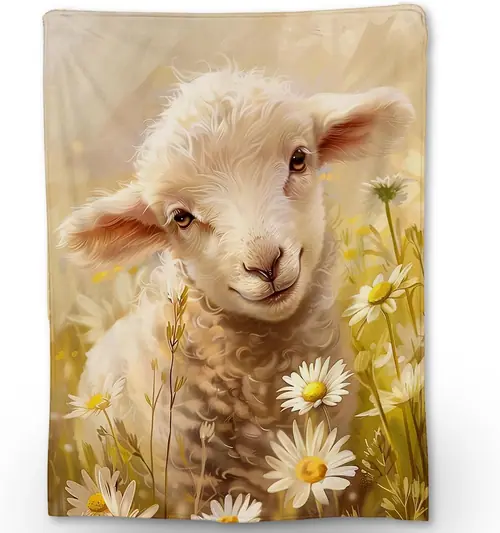
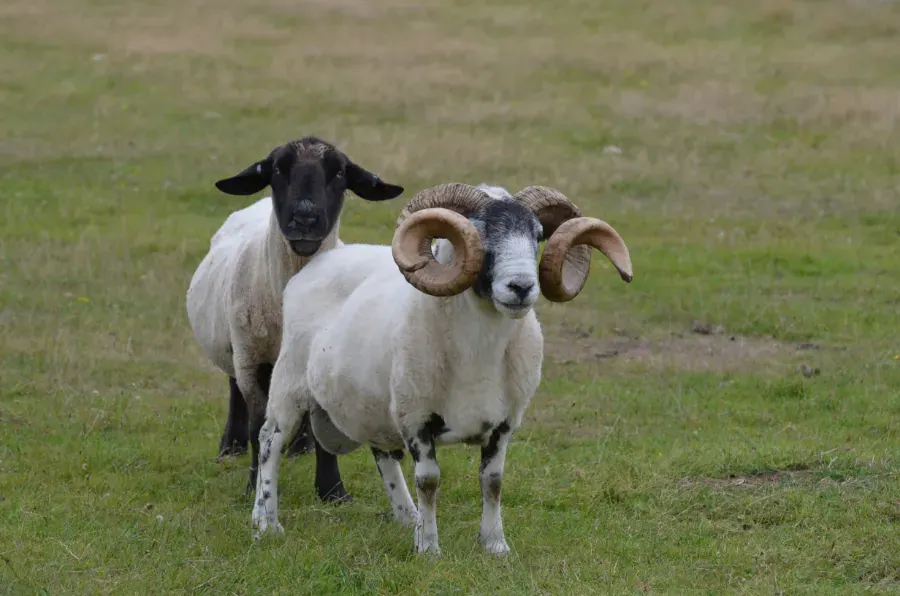
Domestic sheep descend from wild mouflon sheep and were among the earliest animals domesticated by humans, over 10,000 years ago, with breeders since then selecting heavily for traits like wool production and docility that wild sheep never needed.
Wool That Never Stops Growing
Most domestic breeds have been bred to grow wool continuously and require regular shearing, unlike wild sheep, which grow a coarser hair coat that naturally sheds each year without any human intervention.
Wild Sheep Keep Their Wits and Their Horns
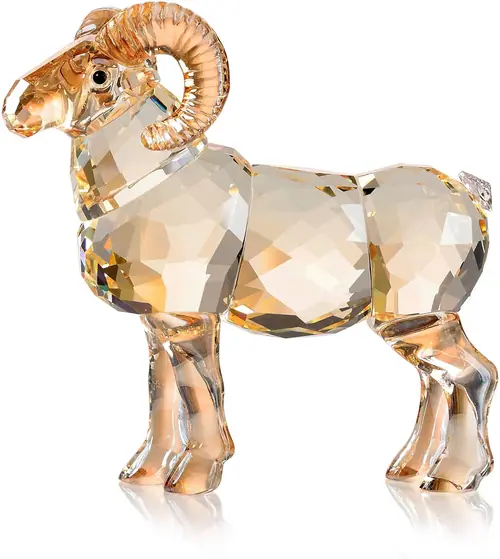
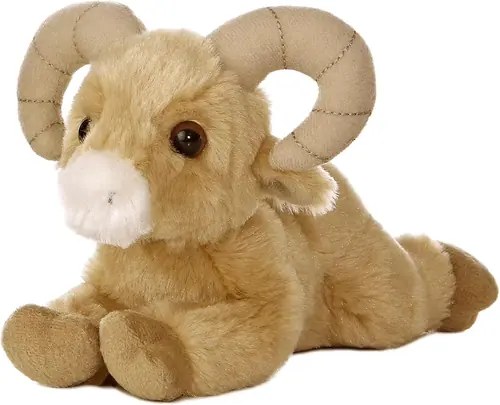
Wild sheep species like bighorn sheep and mouflon retain strong flight instincts, sharp senses, and — in males — large curling horns used in dramatic head-butting contests, traits that were bred down or out of most docile domestic breeds raised for meat and wool.
Dependence vs. Self-Sufficiency
Many domestic breeds have become so reliant on human care — for shearing, protection from predators, and sometimes even help during lambing — that they could not survive long-term without it, while wild sheep remain entirely self-sufficient across some of the harshest mountain terrain on Earth.