The Classic Storybook Swan
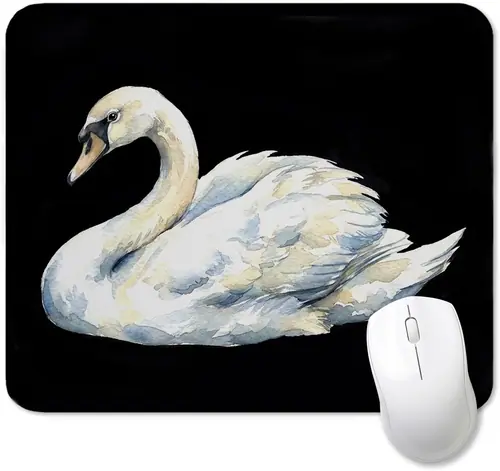
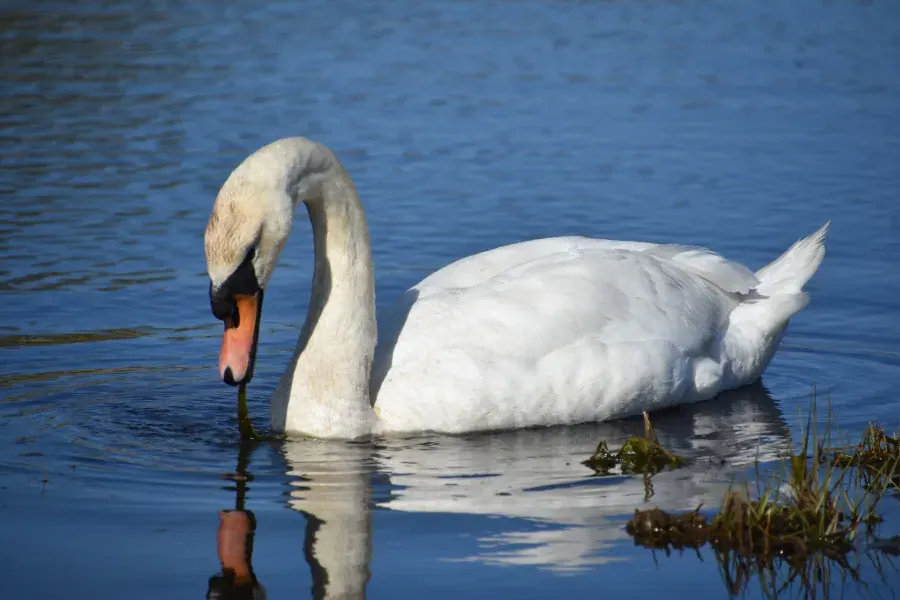
The mute swan, Cygnus olor, native to Europe and Asia, is the species most people picture when they imagine a swan — pure white with a graceful curved neck and a distinctive orange bill topped with a black knob.
Not Actually Mute
Despite its name, the mute swan isn't silent — it communicates through hisses, grunts and snorts, along with a distinctive wing-beat sound in flight, just quieter and less trumpet-like than other swan species.
Introduced Around the World
Mute swans were introduced as ornamental birds to North America, Australia, and New Zealand in the 19th and 20th centuries, and have since established wild, self-sustaining populations in many of these regions.
A Concern in Non-Native Ranges
In places where it's not native, the mute swan can be highly territorial and outcompete local waterfowl for nesting habitat and food, leading some regions to manage its population carefully.
The Iconic Wing-Arch Posture
Mute swans are known for a threat display called "busking," arching their wings over their back and pushing through the water in a show of aggression toward intruders near their nest.