Also Called the Indian Tiger
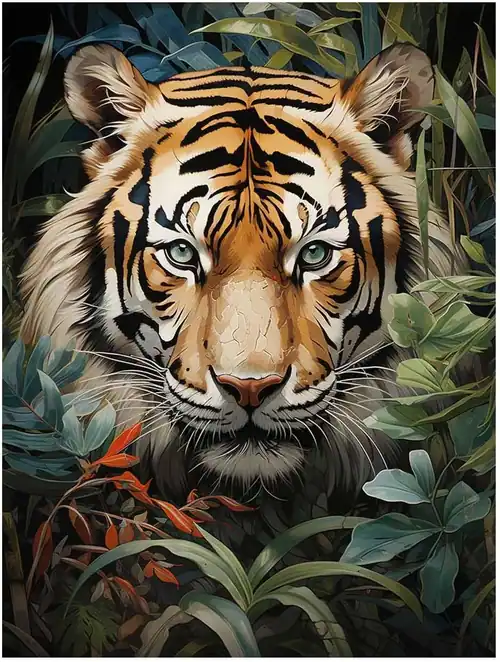
Often called the Indian tiger, the Bengal tiger holds a significant place in Indian tradition and legend and is found across India, Nepal, Bhutan, Bangladesh, Myanmar (Burma), and Tibet. It is both the most common tiger subspecies and the second-largest, though it remains critically endangered due to poaching and habitat destruction.
Coloring and Markings
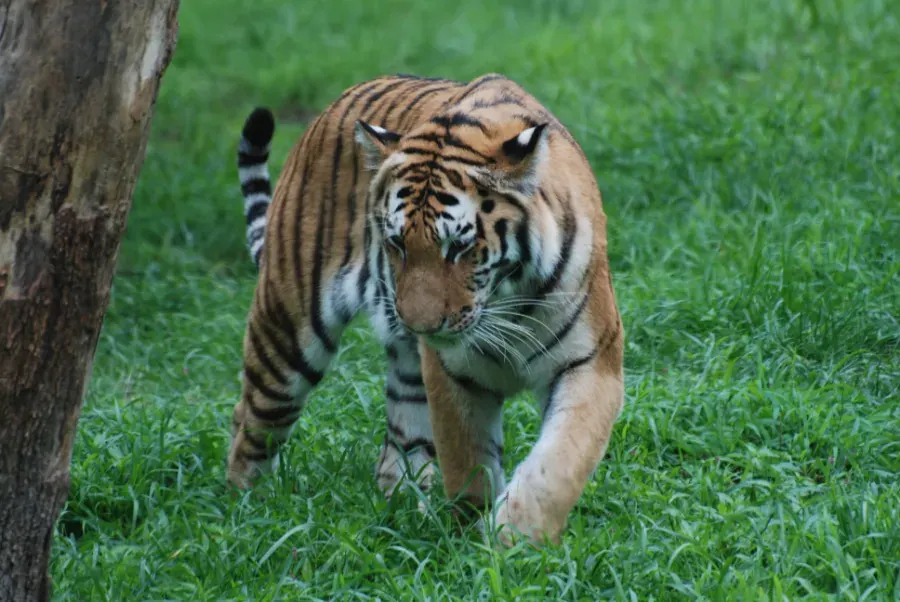
A Bengal tiger's coat is reddish orange with stripes in black, gray, or brown, over a creamy white underside. Bengal tigers are unusual among tiger subspecies in occurring in more than one color pattern in the wild. Most individuals carry more than 100 stripes, each pattern unique to that tiger — a form of natural camouflage that helps them disappear into tall grass while hunting pigs, deer, and antelope.
Size
A male Bengal tiger typically measures around 10 feet in length and weighs approximately 500 pounds; females run smaller, at roughly 9 feet and 300 pounds.
Reproduction
Gestation lasts about three months, producing litters of two to four cubs. A newborn cub weighs just two pounds and is born blind. Cubs don't begin hunting until 18 months old, growing more independent from that point but typically remaining with their mother until age two to three. Females reach sexual maturity around age three, males not until four to five.
Lifespan
A Bengal tiger lives an average of 15 years in the wild.