Glands Built for Defense
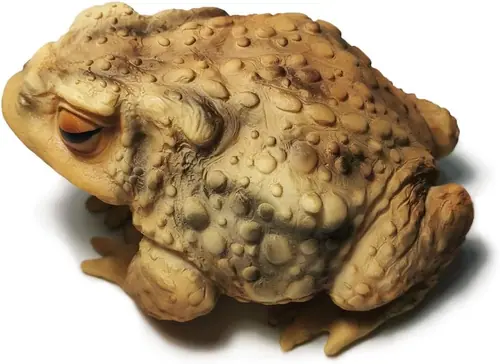
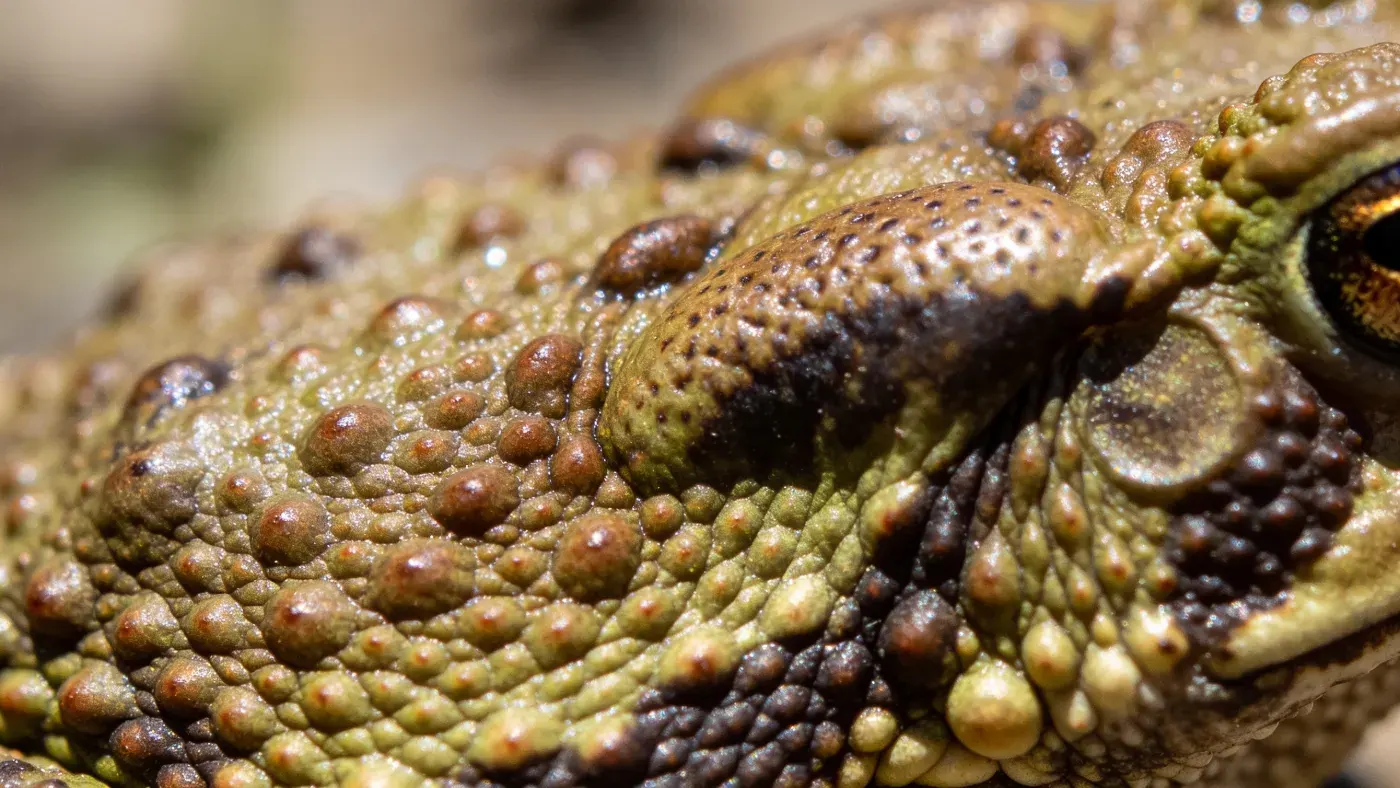
Most toads have parotoid glands located behind their eyes that secrete a milky, toxic substance when the toad is threatened or bitten.
A Deterrent, Not an Attack
These toxins aren’t used offensively — they exist purely to make the toad an unpleasant or dangerous meal for predators like snakes and other animals that might otherwise eat them.
Bufotoxin and Its Effects
The compounds toads secrete, collectively called bufotoxins, can cause anything from irritation and drooling to heart arrhythmia and paralysis depending on the species and dose, which is why pet dogs that mouth a toad often need urgent veterinary care.
A Few Predators Adapt Anyway
Some predators have evolved workarounds: certain snakes are largely immune to toad toxins, and some birds and raccoons have learned to flip toads over and eat around the toxic skin glands entirely.