Part of the Skeleton, Not a Removable Shield
A turtle's shell is made of over 50 bones fused to its spine and ribcage — it's a living, permanent part of the skeleton, not a separate covering the animal can leave or shed.
Two Layers Working Together
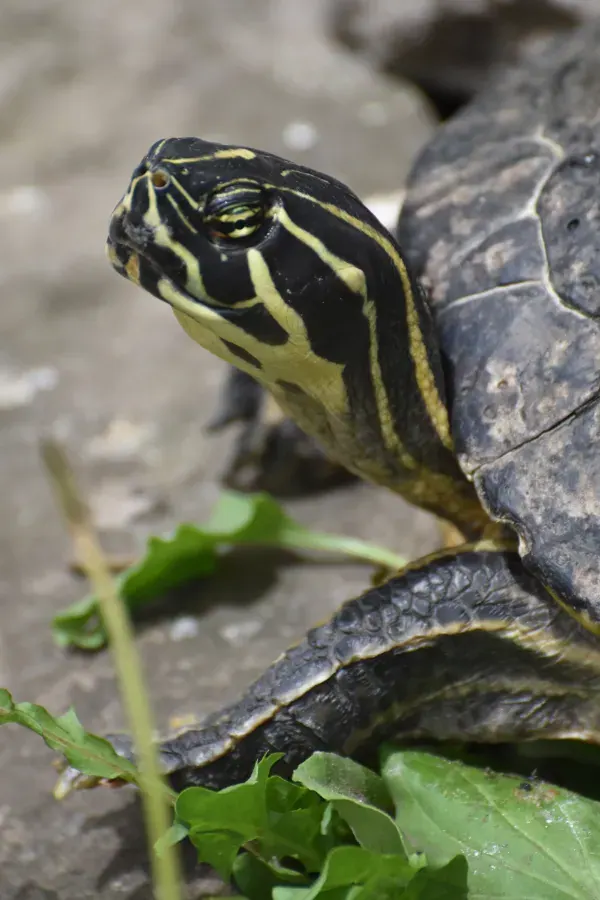
The shell consists of a bony inner layer topped with hard keratin scutes — the same material found in human fingernails — which grow and are sometimes shed as the turtle ages.
Full of Nerve Endings
Despite its hard appearance, a turtle's shell is not numb — it contains nerve endings and blood vessels, meaning the animal can feel pressure and even pain through it.
A Growth Record in the Rings
In many species, the scutes develop faint growth rings similar to tree rings, which researchers can sometimes use to estimate a turtle's approximate age.
Not All Shells Are the Same
Sea turtles have flatter, more streamlined shells built for swimming, while land tortoises typically have taller, dome-shaped shells that offer better protection from predators on the ground.