The Arctic's "Unicorn of the Sea"
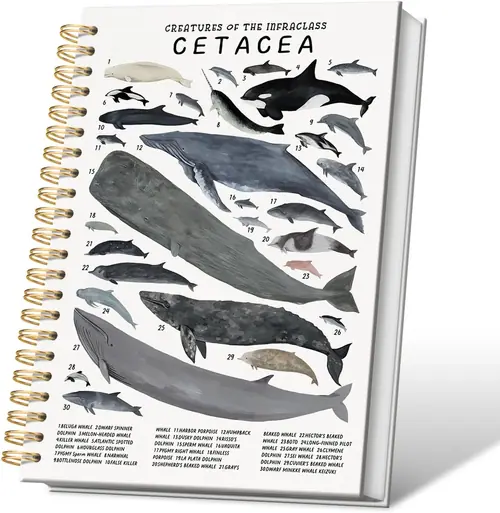
The narwhal is best known for the long, spiraled tusk that grows from most males' upper jaw, a feature that has earned it the nickname "unicorn of the sea" and made it one of the most instantly recognizable whales.
A Tooth, Not a Horn
That tusk is actually an overgrown canine tooth that can reach up to about 10 feet in length and is packed with millions of nerve endings, leading researchers to believe it may serve a sensory function, detecting subtle changes in water temperature, pressure, and salinity, in addition to any social or competitive role.
A True Arctic Specialist
Narwhals live year-round in the High Arctic waters of Canada, Greenland, Norway, and Russia, rarely venturing south, and are among the deepest-diving whales, descending as far as a mile beneath dense pack ice to hunt for fish and squid.
Increasingly Threatened by a Warming Arctic
Narwhals are highly specialized for a stable icy environment, and rapid Arctic warming, along with increasing ship traffic through newly open shipping lanes, poses a growing conservation concern for a species that has changed very little in the way it lives for thousands of years.