Recovering From Commercial Whaling
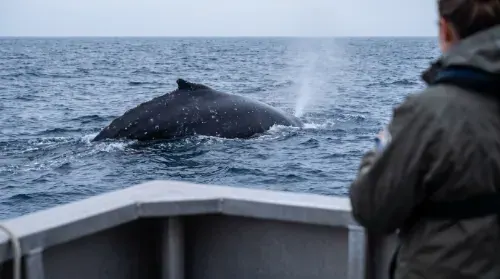
Commercial whaling reduced many whale populations by over 90% before international protections took hold in the mid-20th century. Some species, like the humpback, have rebounded strongly since; others, like the blue whale, remain far below historic numbers.
Ship Strikes and Entanglement
Collisions with large vessels and entanglement in fishing gear are now among the leading causes of injury and death for whales in busy shipping and fishing regions worldwide.
Ocean Noise Pollution
Shipping traffic, sonar and industrial activity add constant noise to the ocean, which can interfere with the long-distance calls whales rely on to find mates, food and each other.
A Shifting Food Supply
Warming oceans are shifting the distribution of krill and small fish that whales depend on, forcing some populations to travel farther or arrive at feeding grounds out of sync with their prey.
Conservation Status Varies by Species
Conservation status differs widely across whale species: the North Atlantic right whale is Critically Endangered with fewer than 400 individuals left, while the gray whale's eastern Pacific population has recovered to near pre-whaling numbers.