The Longest Journey of Any Mammal
The gray whale makes one of the longest migrations of any mammal, traveling roughly 10,000–14,000 miles round trip each year between Arctic feeding grounds and warm Mexican breeding lagoons.
Feeding Grounds and Breeding Grounds
Most baleen whales feed in cold, nutrient-rich polar waters during summer, then migrate to warmer tropical or subtropical waters to breed and give birth, where calves face fewer predators and warmer water for their thin blubber layer.
Traveling Without Eating
Many whales eat little to nothing during their months-long migration and breeding season, living off blubber reserves built up during the feeding season and losing a significant portion of their body weight.
Navigating the Open Ocean
Whales are believed to navigate using a combination of the sun's position, coastline landmarks, water temperature, and possibly the Earth's magnetic field, returning to the same feeding and breeding sites year after year.
Traveling in Pods
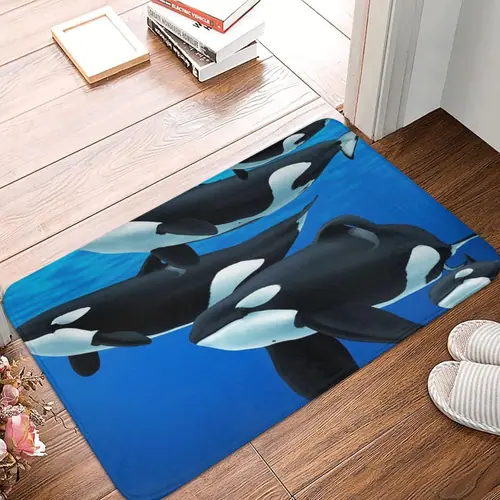
Orcas and some other species travel in stable family pods led by older females, while species like the humpback form loose, shifting groups that come together to feed or breed before splitting apart again.