Arctic Wolves vs. Timber Wolves
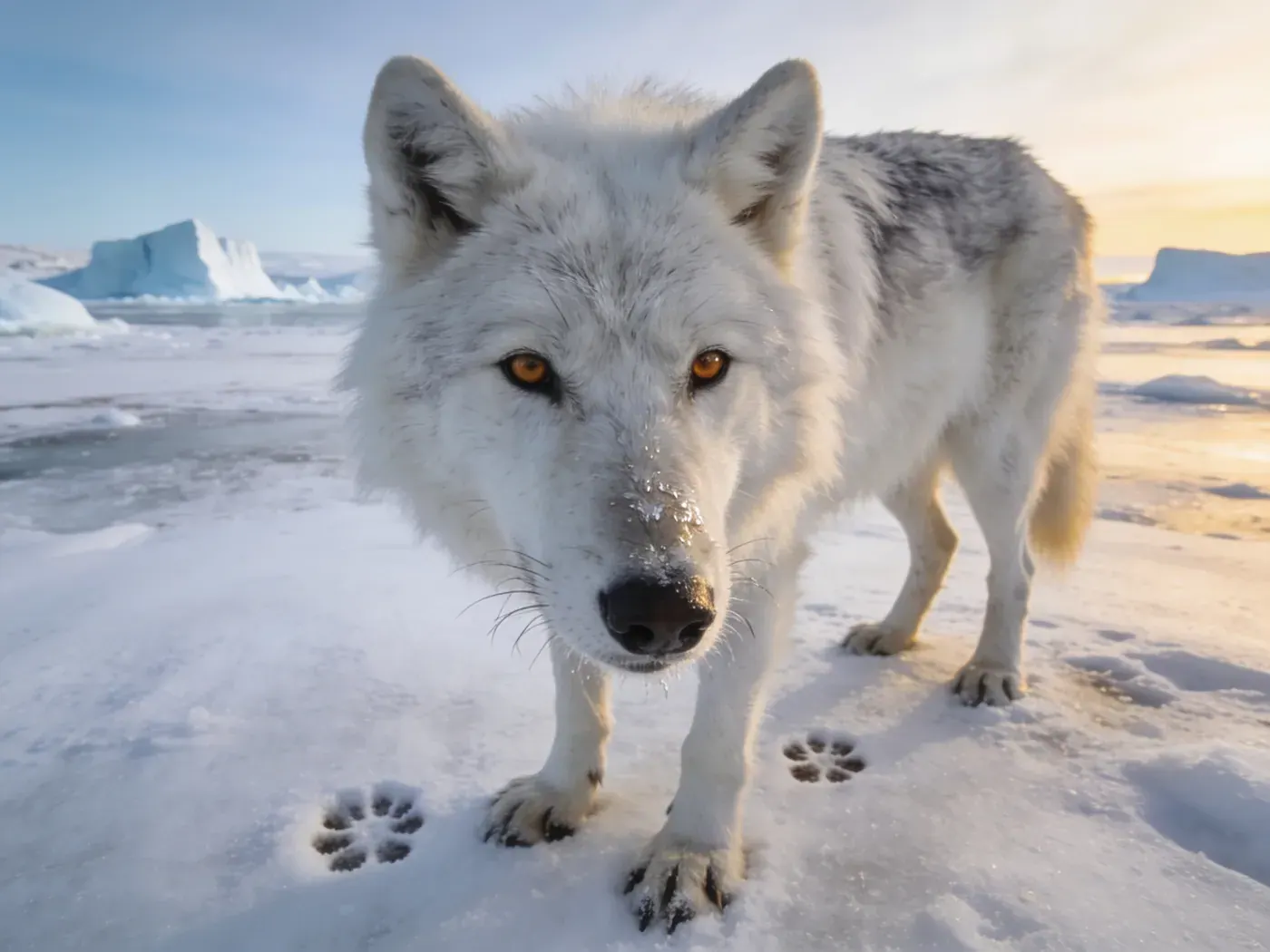
The Arctic wolf (Canis lupus arctos) is a gray wolf subspecies built for the harshest environment any wolf calls home — the Canadian Arctic archipelago and northern Greenland. Compared to its closest relative, the timber wolf of North America's forests, it's adapted almost entirely around surviving extreme cold.
Built for the Cold
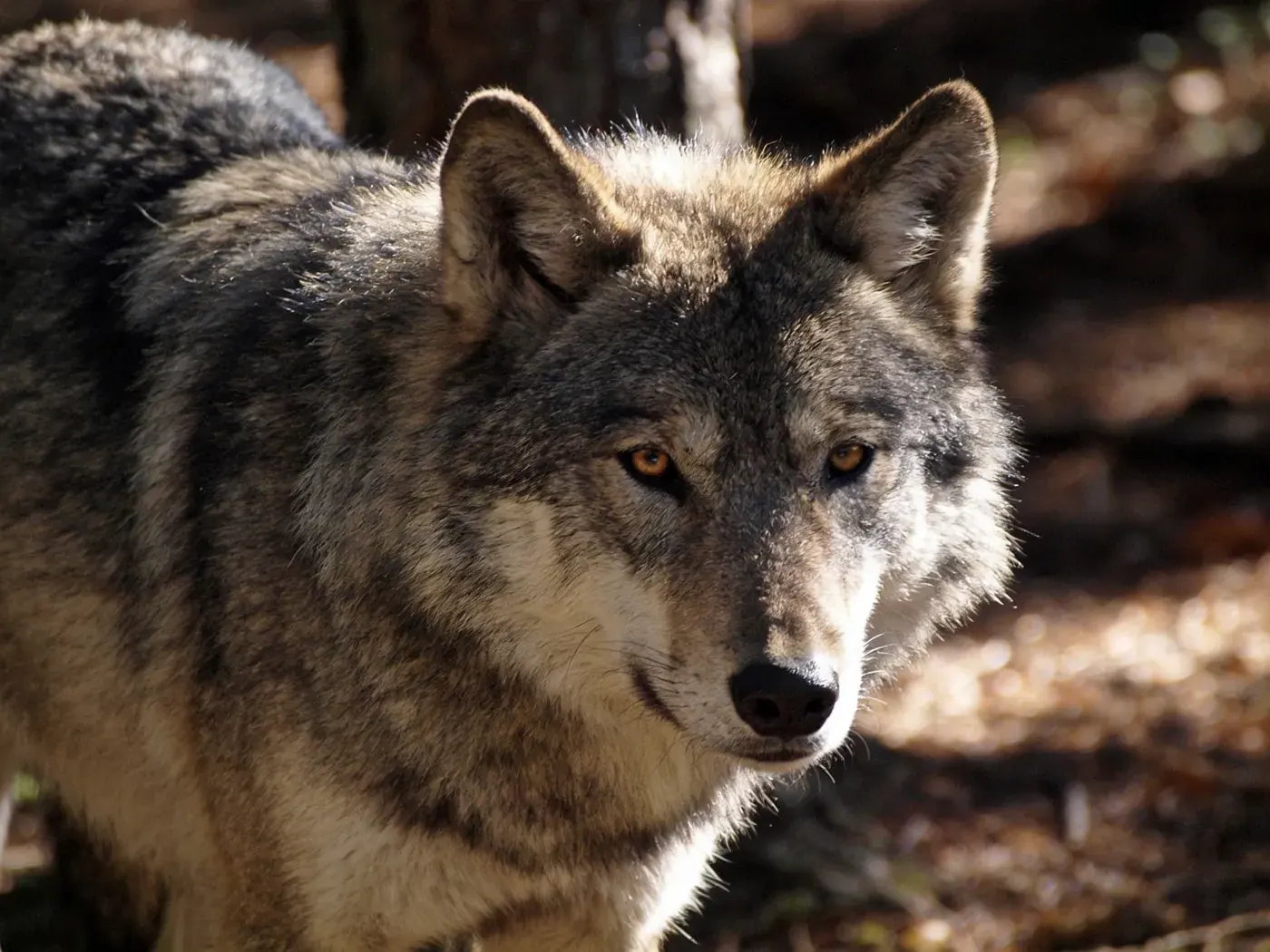
Arctic wolves carry a thicker, all-white coat and a stockier frame with shorter ears, legs, and muzzle than their forest-dwelling relatives — every one of those traits reduces heat loss in a climate where temperatures regularly plunge far below freezing for months at a time. Timber wolves, spread across temperate and boreal forests, have less need for such extreme cold-weather adaptations and show far more coat-color variation as a result.
A Different Relationship With Prey — and People
Arctic wolves hunt musk oxen and Arctic hares across a landscape with almost no permanent human presence, and can go for extended periods with little food during the darkest, coldest months. Because they so rarely encounter humans, Arctic wolves show little of the wariness typical of timber wolves, which have adapted to centuries of close, often hostile, contact with people across their more accessible range.