Gray Wolves vs. Red Wolves
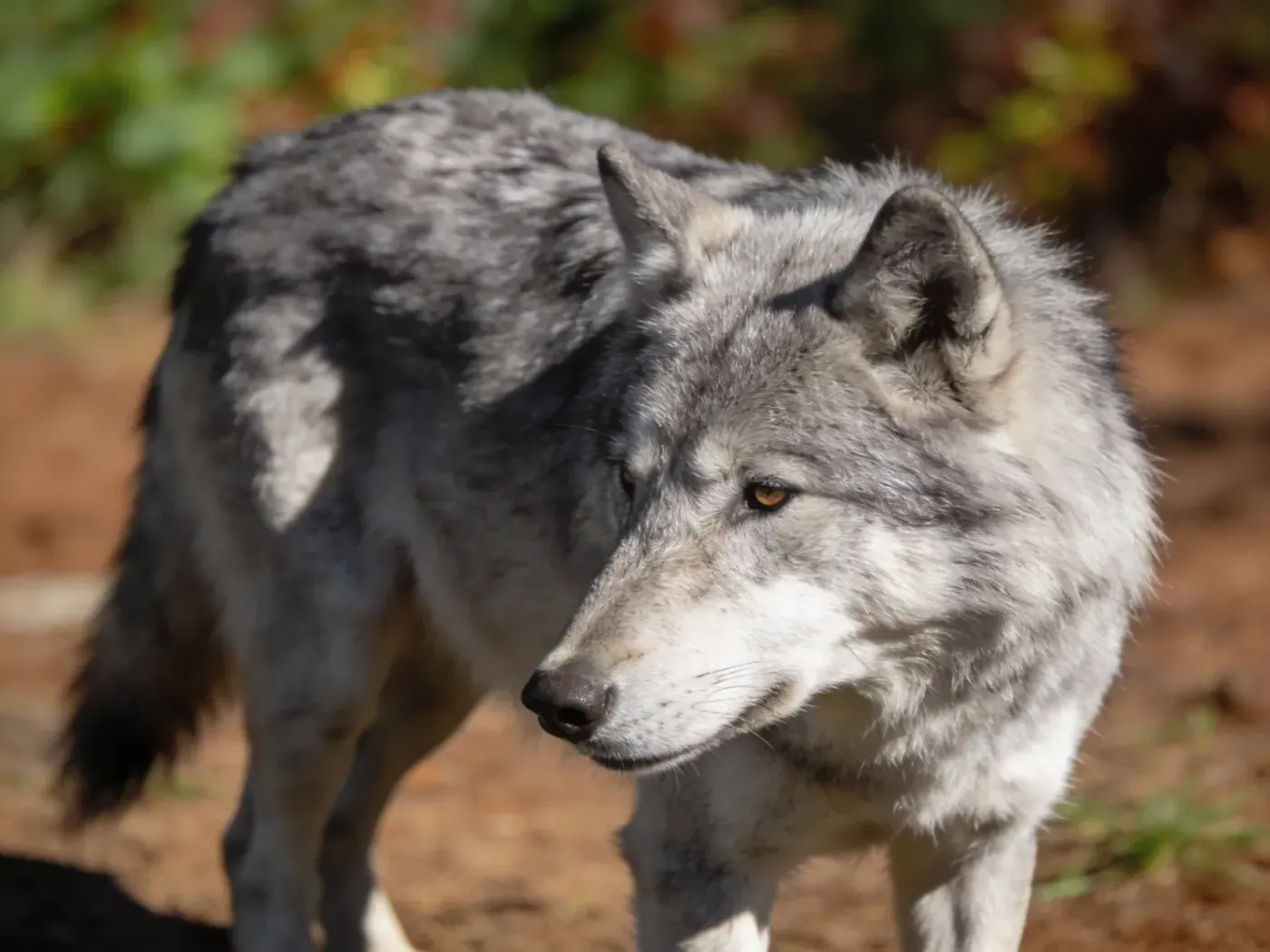
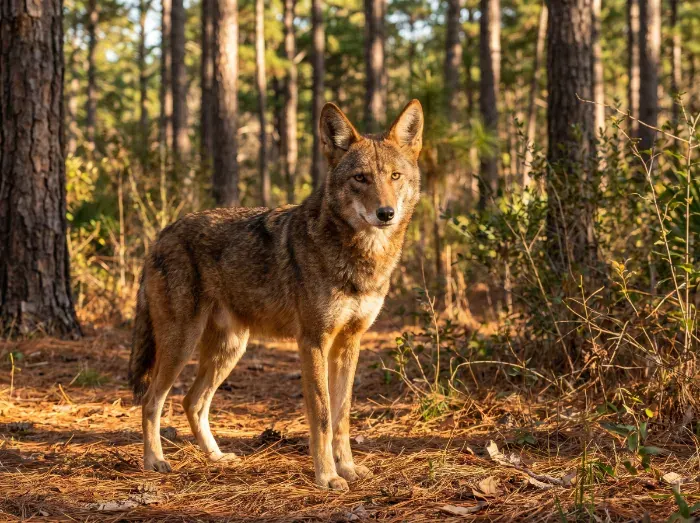
North America is home to two distinct wolf species: the widespread gray wolf (Canis lupus) and the critically endangered red wolf (Canis rufus). They share a lot of biology, but differ sharply in size, range, and how close each has come to disappearing entirely.
Shared Ancestry, Different Fates
Genetic studies suggest the red wolf's lineage carries ancestry from both gray wolves and coyotes, making it something of an evolutionary bridge between the two. Where the gray wolf survived by retreating to remote wilderness across Canada and the northern U.S., the red wolf's entirely southeastern range put it directly in the path of agricultural expansion — and by 1980, it was gone from the wild altogether.
Recovery, Two Ways
Gray wolves recovered in the U.S. mainly through natural recolonization and high-profile reintroductions, like the 1995 Yellowstone program. Red wolves have no such natural recolonization option — every wild red wolf alive today descends from a captive breeding program built around a handful of survivors, released back into a single protected corner of North Carolina.