Three Species, Three Different Pictures
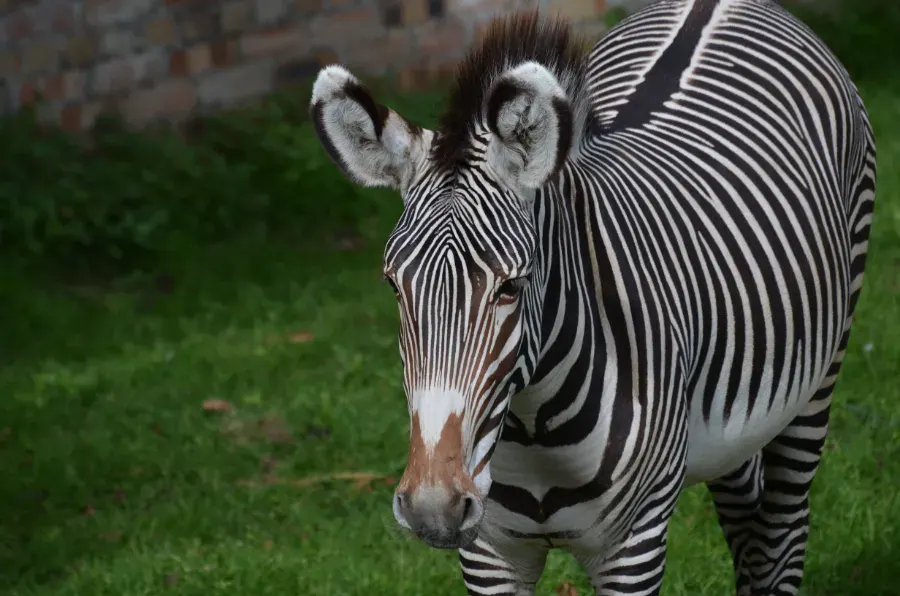
Zebra conservation status varies sharply by species. The plains zebra remains numerous — several hundred thousand strong — but is trending downward and listed as Near Threatened. The mountain zebra has partially recovered from a severe historic decline through targeted protection. Grevy’s zebra, the rarest, is listed as Endangered with under 3,000 individuals remaining.
Fencing and Fragmentation
Across all three species, the leading threat is the fencing and subdivision of grassland for farming and livestock, which blocks the long seasonal movements zebras depend on to follow rainfall and fresh grazing. A zebra herd cut off from its historic range by a fence line cannot simply relocate; it is often trapped on degraded ground until it starves or is culled.
Competition and Conflict
Zebras compete directly with cattle for grazing across much of their range, which puts them in conflict with pastoralist communities during drought years when grass is scarce for both. Water access is a parallel pressure point, with zebras sometimes excluded from wells and boreholes built for livestock.
Grevy’s Zebra: A Focused Recovery Effort
Grevy’s zebra decline — from around 15,000 in the 1970s to under 3,000 today — has been driven by habitat loss, competition with livestock and hunting for its distinctive skin. Conservation programs in northern Kenya now work directly with pastoralist communities on grazing management and water access, alongside a well-established citizen-science population count using photo-identification of individual stripe patterns.
The Value of the Migration Itself
Because the plains zebra migration is one of the most visible wildlife spectacles in Africa, it generates substantial tourism revenue that supports protection of the wider Serengeti-Mara ecosystem — meaning zebra conservation and the broader protection of that landscape’s lions, elephants and other wildlife are, in practice, the same project.