A Movement Built Around Water and Grass
Each year several hundred thousand plains zebra join an even larger number of wildebeest in a roughly circular migration across the Serengeti-Mara ecosystem of Tanzania and Kenya, following the rains that determine where grass is freshest. It is widely considered, together with the wildebeest migration it accompanies, one of the largest overland movements of mammals left on Earth.
Why Zebras Go First
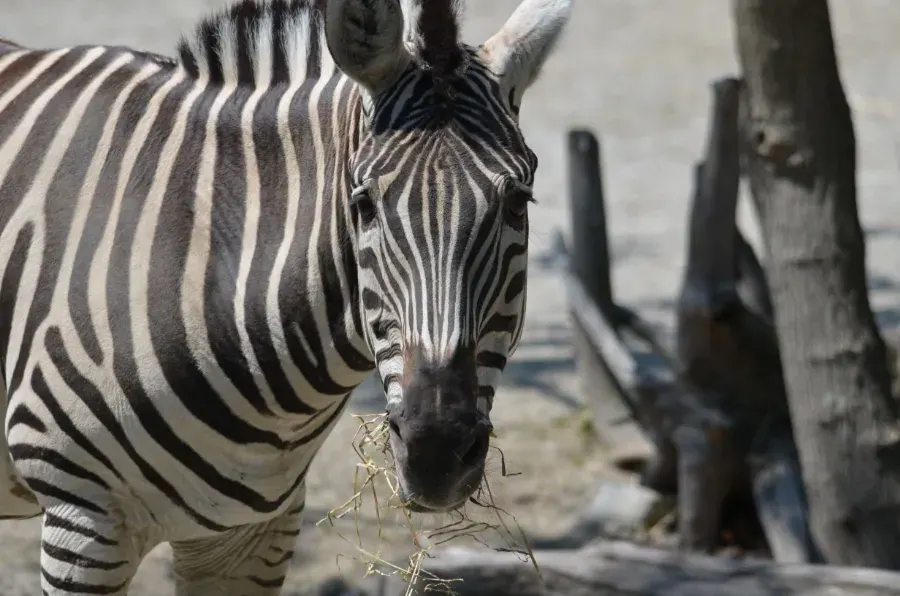
Zebras typically move ahead of the main wildebeest herds onto a fresh grassland, cropping the taller, coarser grass stems zebras prefer and are equipped to digest, and in doing so exposing the shorter, more nutritious grass beneath that wildebeest need. The two species travel together for mutual protection but feed in a genuine sequence rather than direct competition.
The River Crossings
The migration’s most dramatic moments come at the Mara and Grumeti rivers, where herds must cross water holding large Nile crocodiles and where the far bank’s steep approach can cause pileups and drownings under the pressure of thousands of animals moving at once. Crossings are unpredictable, sometimes attempted and abandoned several times before a herd commits.
Genetic Memory, Not Learned Routes
Studies suggest zebras retain a form of "memory culture" for migration routes, passed down through the herd rather than relearned by each generation, which is one reason population crashes or fencing that blocks a historic corridor can permanently disrupt a migration even after the underlying obstacle is removed.
A Fragile Corridor
The migration depends on open, unfenced land across two countries and multiple land-use jurisdictions. Fencing for agriculture, roads and settlement expansion along the corridor’s edges is the leading threat, and maintaining the migration long-term depends on keeping that connective land open rather than on protecting any single park in isolation.