Primates are an order of mammals that includes lemurs, lorises, tarsiers, monkeys, apes and humans — roughly 500 species in all. What unites them is not size or diet but a set of shared traits: grasping hands and feet, nails instead of claws on most digits, forward-facing eyes that give strong depth perception, and brains that are large relative to body size. Most primates live in tropical and subtropical forests across Africa, Asia, and Central and South America.
Three broad groups
Scientists often sort primates into prosimians, monkeys and apes. Prosimians — lemurs, lorises, bushbabies and tarsiers — are the most ancient lineage and tend to rely more on smell and nocturnal habits. Monkeys divide into New World species of the Americas, many with prehensile tails, and Old World species of Africa and Asia, none of which can grasp with the tail. Apes are separated from monkeys by one easy-to-see feature: they have no tail.
Great apes and lesser apes
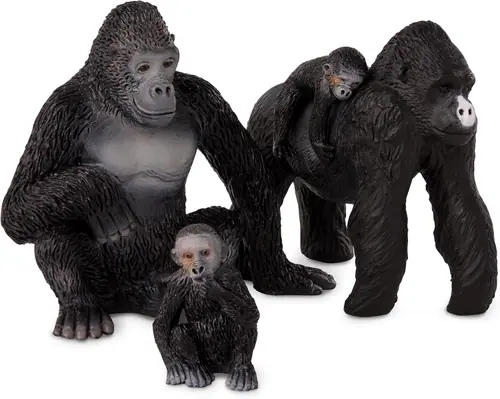
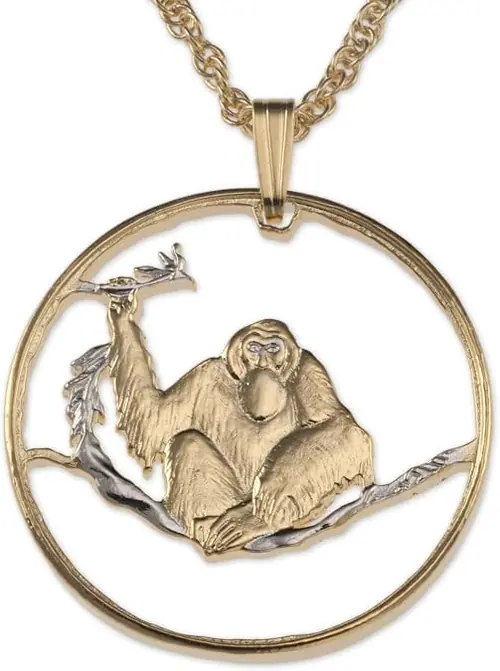
The apes include the lesser apes — gibbons and siamangs of Southeast Asia, famous for swinging through the canopy and singing territorial duets — and the great apes: orangutans, gorillas, chimpanzees and bonobos. Great apes are larger, have broader chests and more mobile shoulders, and show complex learning, tool use and social lives. Humans are classified in the same family, Hominidae, which makes chimpanzees and bonobos our closest living relatives.
Why primates matter
Many primates are seed dispersers that shape forest composition, and nearly half of all primate species are threatened with extinction, mainly through habitat loss, hunting and the wildlife trade. Understanding how the groups differ is the first step to understanding why each needs its own conservation approach.