Habitat Loss Is the Biggest Threat
Nearly all great ape species are classified as endangered or critically endangered, largely because of habitat loss. Logging, agricultural expansion, and mining have fragmented the forests apes depend on across Africa and Southeast Asia, leaving isolated populations with less room to find food and mates.
Slow Reproduction Makes Recovery Difficult
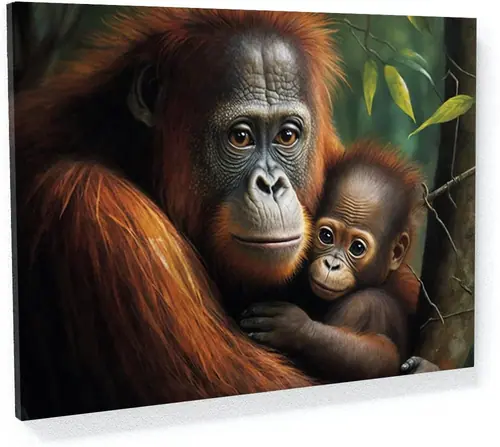
Apes reproduce slowly compared to many other mammals — a female gorilla or orangutan may only give birth once every four to eight years, and raise a single offspring at a time. This slow reproductive rate means ape populations recover much more gradually from losses than faster-breeding species.
Poaching and the Bushmeat Trade
Illegal hunting for bushmeat and the live animal trade continues to threaten ape populations, particularly in Central Africa. Because apes are highly social and slow to mature, the loss of even a few individuals from a group can disrupt its social structure for years.
Disease Spread from Humans
Because apes are so closely related to humans, they are susceptible to many of the same diseases, including respiratory illnesses. Increased contact with humans through tourism and encroaching development has raised the risk of disease transmission to already vulnerable populations, adding another pressure on top of habitat loss and poaching.