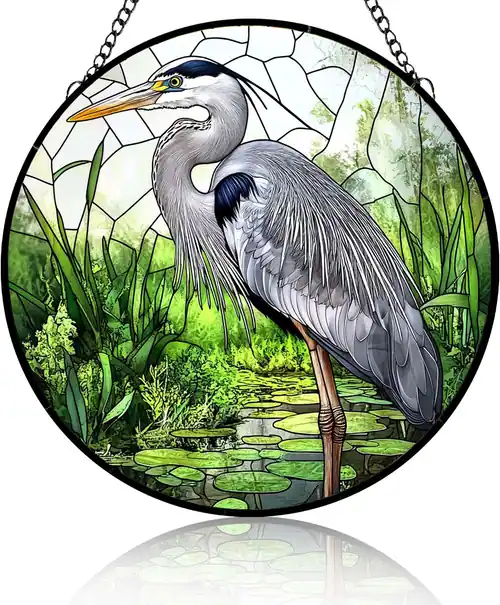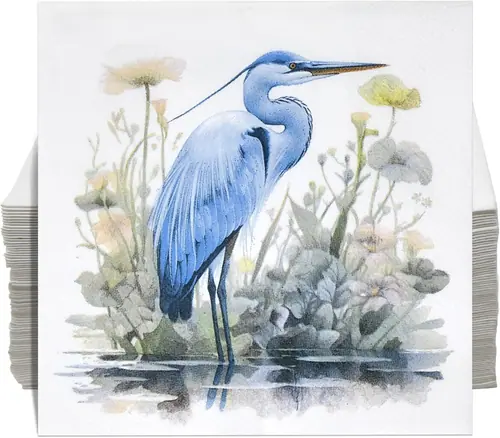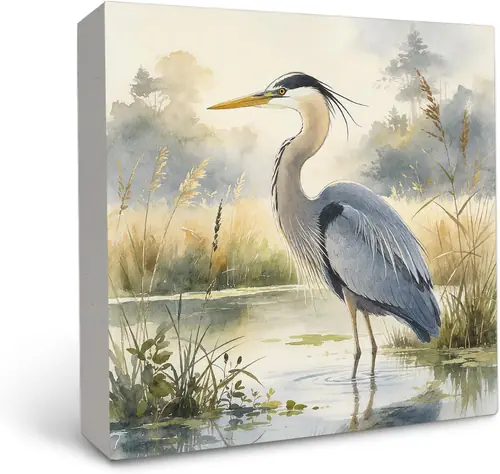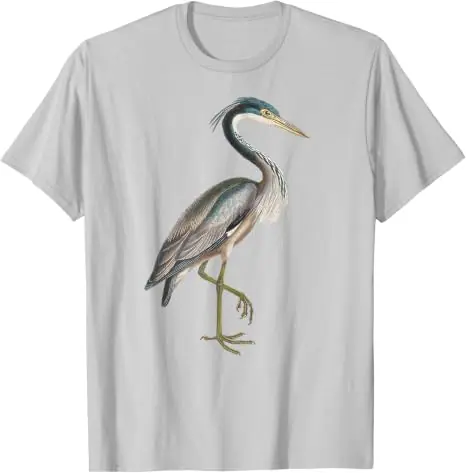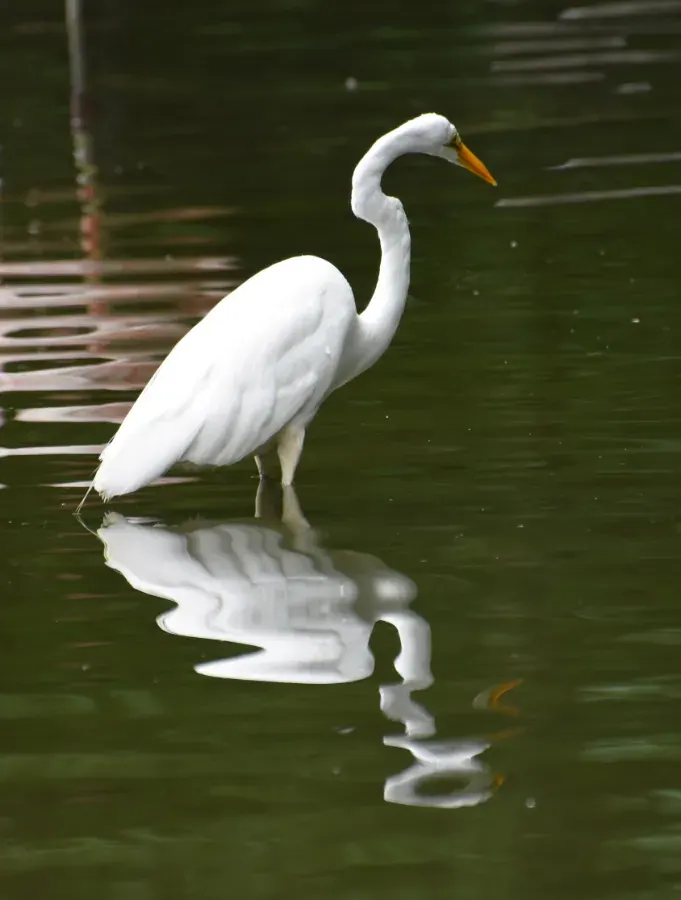
Herons are long-legged wading birds in the family Ardeidae, which also includes egrets and bitterns — about 64 species worldwide, found on every continent except Antarctica. The great blue heron, the largest in North America, stands about four feet tall with a wingspan near six feet, yet weighs only about five to seven pounds thanks to hollow bones.
Built for wading and spearing
Long legs let herons stand in shallow water, and a long, flexible neck allows a lightning-fast strike with a dagger-shaped bill. A heron may stand motionless for minutes before spearing fish, frogs, crayfish, snakes or even small mammals. Special feathers called powder down break into a fine dust that herons use to clean fish slime from their plumage.
The folded neck
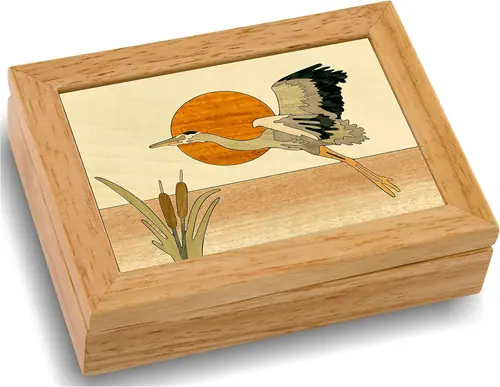
In flight a heron holds its neck in a tight S-curve with the head drawn back against the shoulders, a feature that distinguishes it from cranes, which fly with the neck stretched straight out. Its wingbeats are slow and deep, and its legs trail behind.
Colonies and conservation
Many herons nest in colonies called heronries, building stick platforms high in trees or in reed beds, and laying three to six pale blue eggs. Both parents incubate and feed the chicks. Because herons depend on healthy wetlands, they are valuable indicators of water quality, and wetland loss remains their chief threat.
Species at a glance
The great blue heron (Ardea herodias) is the largest North American heron, while the green heron (Butorides virescens) is a small, crow-sized bird that is one of the few birds known to use bait, dropping insects or feathers on the water to lure fish. The great egret and snowy egret are white herons of the same family, and the black-crowned night heron hunts mainly at dusk. See Heron Species Found Around the World and Great Blue Heron vs. Green Heron for comparisons.
Where to read next
Learn how herons hunt in The Great Blue Heron's Fishing Technique and Heron Diet Beyond Fish, how they travel in Heron Flight and Migration, and how they raise young in Heron Colonies and Nesting Habits. For the quick facts, see the Herons species page.