The Encounter
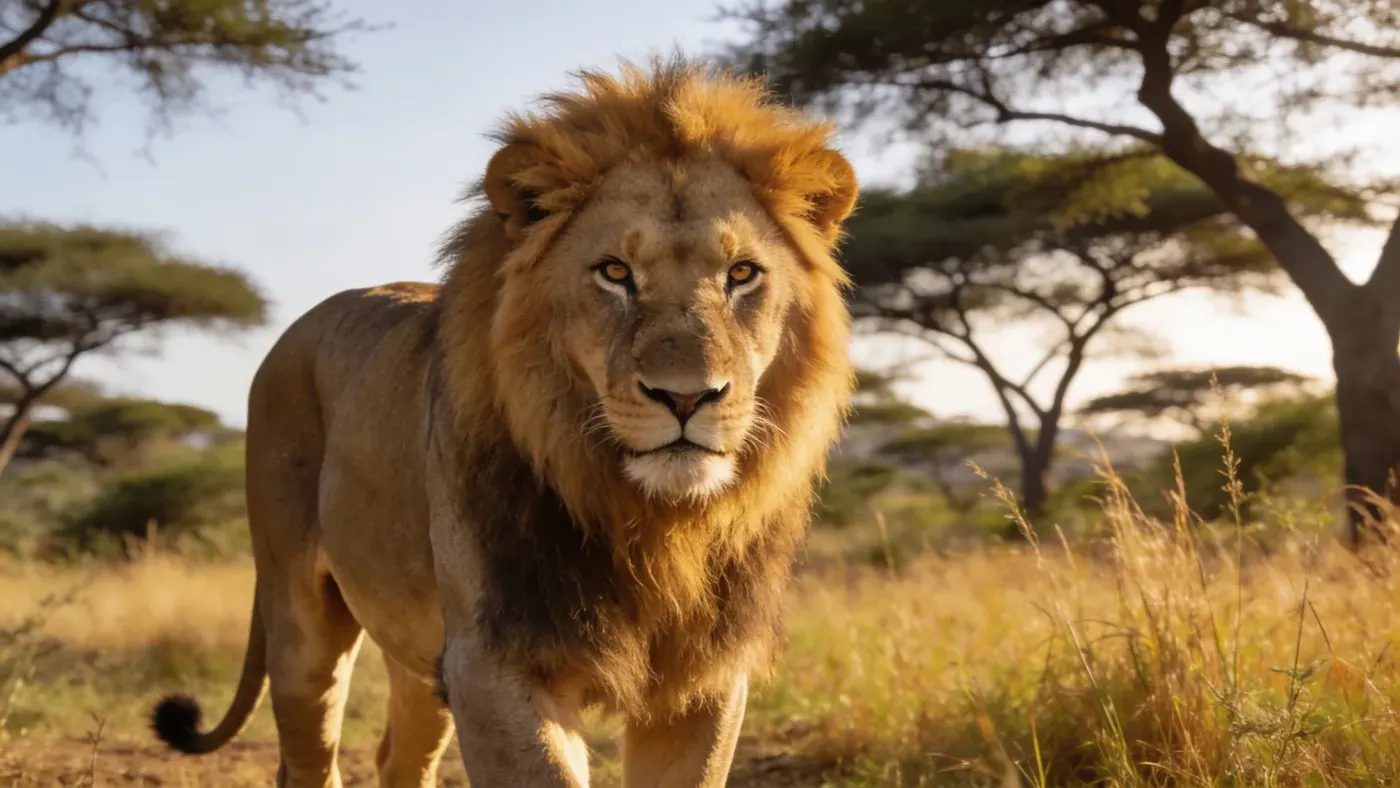
Nothing about photographs prepares a visitor for the scale of a wild lion at close range. An adult male stands around 1.2 metres at the shoulder and can weigh over 190 kilograms, and the sound of a roar carries for several kilometres — close up it is felt as much as heard. Most first-time visitors report that the animal appears calm to the point of indifference, which is exactly what habituation to vehicles produces.
Why Lions Ignore Vehicles
Lions in regularly visited reserves have learned over generations that vehicles are neither prey nor threat. They read the vehicle as one large shape and do not distinguish the people inside it. This is why guides insist that everyone remains seated with arms and equipment inside the body line. A person standing up, or stepping down, changes the outline into something recognisably human — and the lion’s response changes with it.
Reading Lion Behaviour
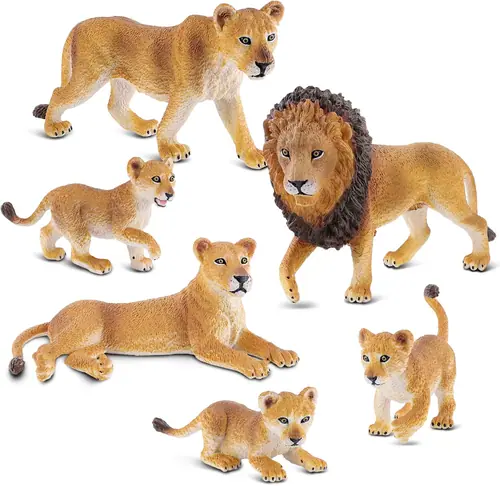
A relaxed lion lies flat with its head down, ears loose, tail still. A tail flicking rapidly at the tip, a lowered head with ears flattened, or a direct fixed stare indicate irritation. A growl or a short cough is a clear warning and a good guide will move the vehicle immediately. Cubs present the most common source of tension: a lioness with young cubs is far less tolerant of proximity than one without.
On Foot
Walking safaris change the situation entirely. Guides carry rifles, walk in single file, keep groups small and approach lions only at considerable distance and upwind. The standing instruction if a lion is encountered on foot is to stand still, group together, and back away slowly under the guide’s direction. Running triggers a pursuit response and is the one action that reliably turns a tense situation into a dangerous one.