Tourism as Conservation Funding
Wildlife tourism is one of the main reasons large tracts of African land remain wild rather than farmed. Park fees, concession payments and lodge employment give governments and rural communities a measurable financial reason to keep lion habitat intact. In several countries, a single well-known pride generates more revenue over its lifetime through photographic tourism than it could ever represent as a hunting trophy.
The Community Conservancy Model
The most significant change in African safari travel over the past two decades has been the growth of community-owned conservancies. Landowners pool grazing land, lease it to tourism operators, and receive rent and jobs in return. In northern Kenya and parts of Namibia, this model has restored wildlife to land that had been almost emptied of it, and has turned lions from a liability into an asset for the people who live nearest to them.
Practices Worth Avoiding
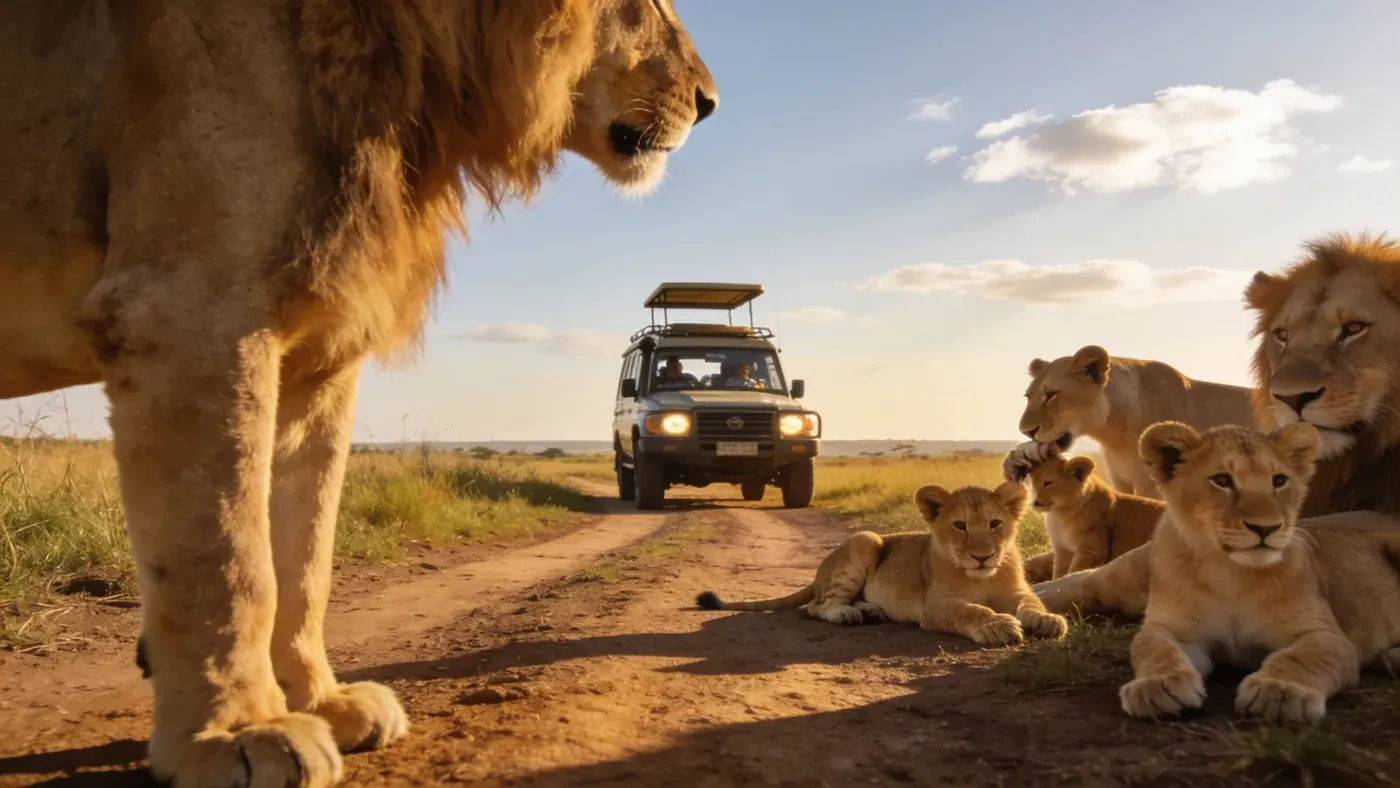
Not everything marketed as a lion experience supports conservation. Cub petting, walking-with-lions attractions and captive breeding operations produce animals that can never be released, and in some cases feed into the trade in lion parts. Reputable operators do not offer physical contact with big cats. A wild lion viewed from a vehicle at a respectful distance is the only encounter that has any conservation value.
Pressure on the Best-Known Parks
Popularity brings its own problem. In the most visited reserves, a single sighting can attract a dozen vehicles, which disrupts hunting and pushes prides toward more nocturnal behaviour. The response has been vehicle limits at sightings, capped bed numbers in private concessions, and a shift in demand toward quieter, less-trafficked parks.
What the Next Decade Looks Like
The likely direction is fewer, longer, higher-value trips concentrated in conservancies with strict vehicle limits, more revenue reaching communities directly, and greater investment in the corridors that connect isolated reserves. The lion safari is not disappearing, but the version of it that survives will be smaller in footprint and considerably more accountable.