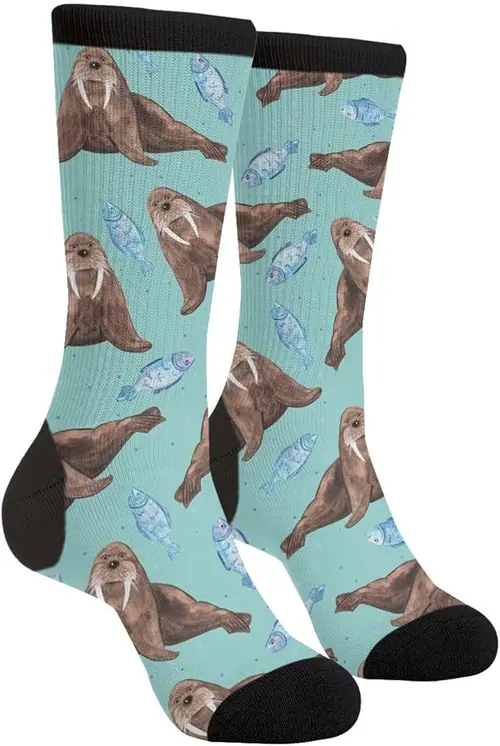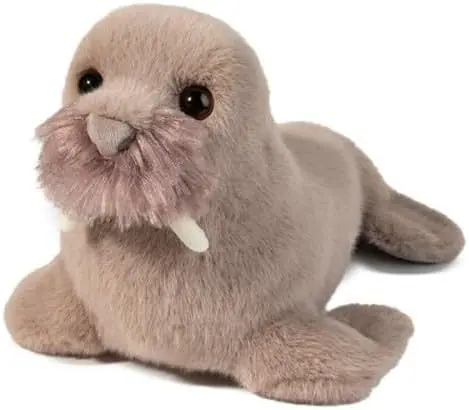
The walrus is one of the largest members of the pinniped group — the fin-footed marine mammals that also include seals and sea lions — and is easily recognized by its long ivory tusks, thick whiskered snout, and heavily wrinkled skin. Both males and females grow tusks, which are enlarged upper canine teeth that can reach over three feet in length.
Tusks serve several purposes beyond feeding — walruses use them to haul their considerable bulk out of the water onto ice, to break through thin ice from below, and to establish dominance within a herd. A longer, better-kept set of tusks generally commands more social standing among the group.
Rather than using their tusks to dig for food, walruses locate prey — mostly clams and other bottom-dwelling mollusks — using their extremely sensitive whiskers, called vibrissae, which can detect the shape and texture of buried shellfish in complete darkness. A walrus may eat several thousand clams in a single feeding session.
Walruses are highly social, hauling out onto beaches and ice floes in herds that can number in the hundreds. Despite their bulk and imposing appearance, they are generally not aggressive toward people, though bulls can be dangerous during the breeding season when competition for mates intensifies.