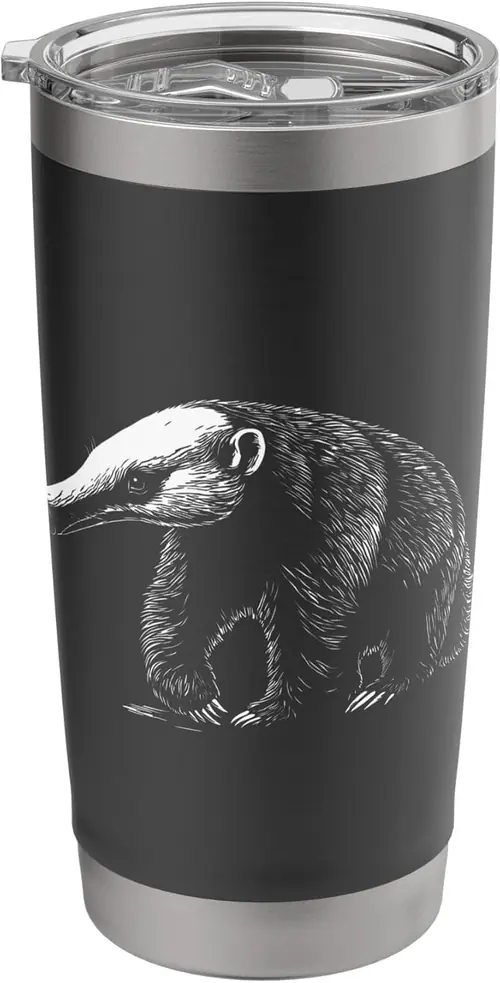
Protecting Claws Meant for Digging, Not Walking
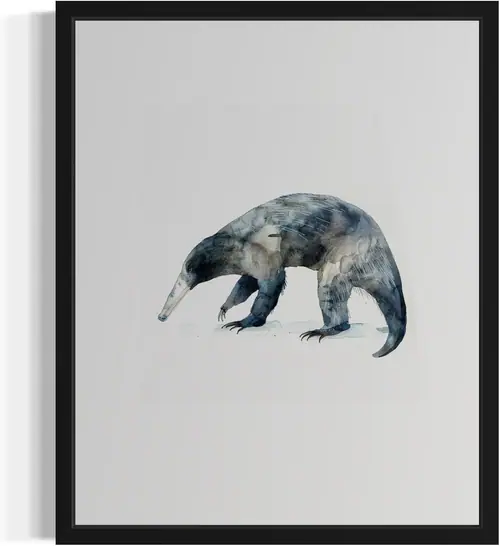
A giant anteater's front claws are curved and can reach up to four inches long — perfect for tearing into termite mounds, but far too sharp and awkward to walk on flat-footed. To avoid damaging them, the anteater curls its front toes under and walks on its knuckles, keeping the claw tips off the ground entirely.
A Distinctive, Rolling Gait
This knuckle-walking gives the giant anteater a slow, somewhat awkward, rolling walk that looks very different from most other mammals. Despite appearances, it is an efficient solution: the front claws stay sharp and ready for the next termite mound, while the anteater still covers considerable ground each day foraging.
Surprising Speed When It Counts
Though its everyday walk looks unhurried, a giant anteater can break into a fast gallop when threatened, reaching speeds that let it outrun many potential predators over short distances despite its ungainly stride.
Not All Anteaters Walk This Way
Smaller relatives like the tamandua and the silky anteater have shorter, less oversized claws relative to their body size and spend much of their time climbing trees rather than walking long distances on the ground, so they don't rely on the same knuckle-walking gait as the giant anteater.